How-Surveys-Can-Help-With-Decarbonising-Construction-In-2023-1920x1080px

Constructing the Future: The Evolution of Saudi Arabia’s Construction Industry

Saudi Arabia’s construction industry is experiencing a remarkable transformation, driven by ambitious development initiatives, technological advancements, and a vision for a prosperous future. As the Kingdom continues to diversify its economy and invest in infrastructure, the construction sector is poised to play a pivotal role in shaping the nation’s growth and prosperity. Let’s delve into the construction future of Saudi Arabia and explore the key trends and opportunities that lie ahead.

1. Mega Projects Reshaping the Landscape:

Saudi Arabia is home to some of the world’s most ambitious mega projects, each poised to redefine the nation’s urban landscape and propel its economy to new heights. From the futuristic city of NEOM to the iconic Red Sea Project and the Qiddiya entertainment city, these mega developments are not only symbols of progress but also catalysts for economic diversification, job creation, and tourism growth. As these projects take shape, they are expected to drive demand for construction services, materials, and expertise, presenting significant opportunities for local and international firms alike.

2. Sustainable Development and Green Initiatives:

With a growing focus on environmental sustainability and conservation, Saudi Arabia is increasingly embracing green building practices and renewable energy solutions. The Kingdom has set ambitious goals to reduce carbon emissions, increase energy efficiency, and promote sustainable development across all sectors. Initiatives such as the Saudi Green Initiative and the Green Saudi and Green Middle East initiatives underscore the government’s commitment to environmental stewardship and provide a framework for integrating sustainability principles into construction projects. As demand for eco-friendly buildings and infrastructure grows, the construction industry is expected to adopt innovative technologies and practices to meet these evolving requirements.

3. Embracing Digitalization and Technology:

The construction industry is undergoing a digital revolution, with technologies such as Building Information Modeling (BIM), drones, and virtual reality (VR) transforming the way projects are designed, planned, and executed. In Saudi Arabia, there is a growing emphasis on digitalization and technology adoption to enhance productivity, improve project outcomes, and reduce costs. By leveraging data-driven insights, automation, and advanced construction techniques, firms can streamline workflows, minimize errors, and deliver projects more efficiently. Moreover, emerging technologies such as 3D printing and modular construction are opening up new possibilities for rapid and sustainable development, further revolutionizing the construction landscape.

4. Investment in Infrastructure and Housing:

Infrastructure development remains a top priority for Saudi Arabia as it seeks to modernize transportation networks, expand utilities, and enhance connectivity across the Kingdom. Massive investments in roads, railways, airports, ports, and utilities are underway, creating opportunities for construction firms to participate in large-scale infrastructure projects. Additionally, the government is focused on addressing the nation’s housing shortage through ambitious housing programs and initiatives. Projects such as the Sakani program aim to provide affordable housing solutions to Saudi citizens, stimulating demand for residential construction and related services.

5. Collaboration and Partnerships:

As Saudi Arabia pursues its ambitious development agenda, collaboration and partnerships are key to driving innovation, knowledge exchange, and sustainable growth. The government is actively seeking to attract foreign investment, expertise, and technology to support its development goals, fostering a conducive environment for international firms to participate in the Kingdom’s construction sector. Moreover, public-private partnerships (PPPs) are increasingly being utilized to finance and deliver infrastructure projects, leveraging the strengths of both the public and private sectors to accelerate project delivery and maximize value for stakeholders.

In conclusion, the future of Saudi Arabia’s construction industry is bright and full of promise. With a focus on mega projects, sustainability, digitalization, infrastructure investment, and collaboration, the Kingdom is laying the foundation for a dynamic and resilient built environment that will support its economic diversification and growth objectives for years to come. As the construction sector evolves and adapts to meet the challenges and opportunities of the future, it will continue to play a vital role in shaping the Kingdom’s urban landscape and driving progress and prosperity for its citizens.
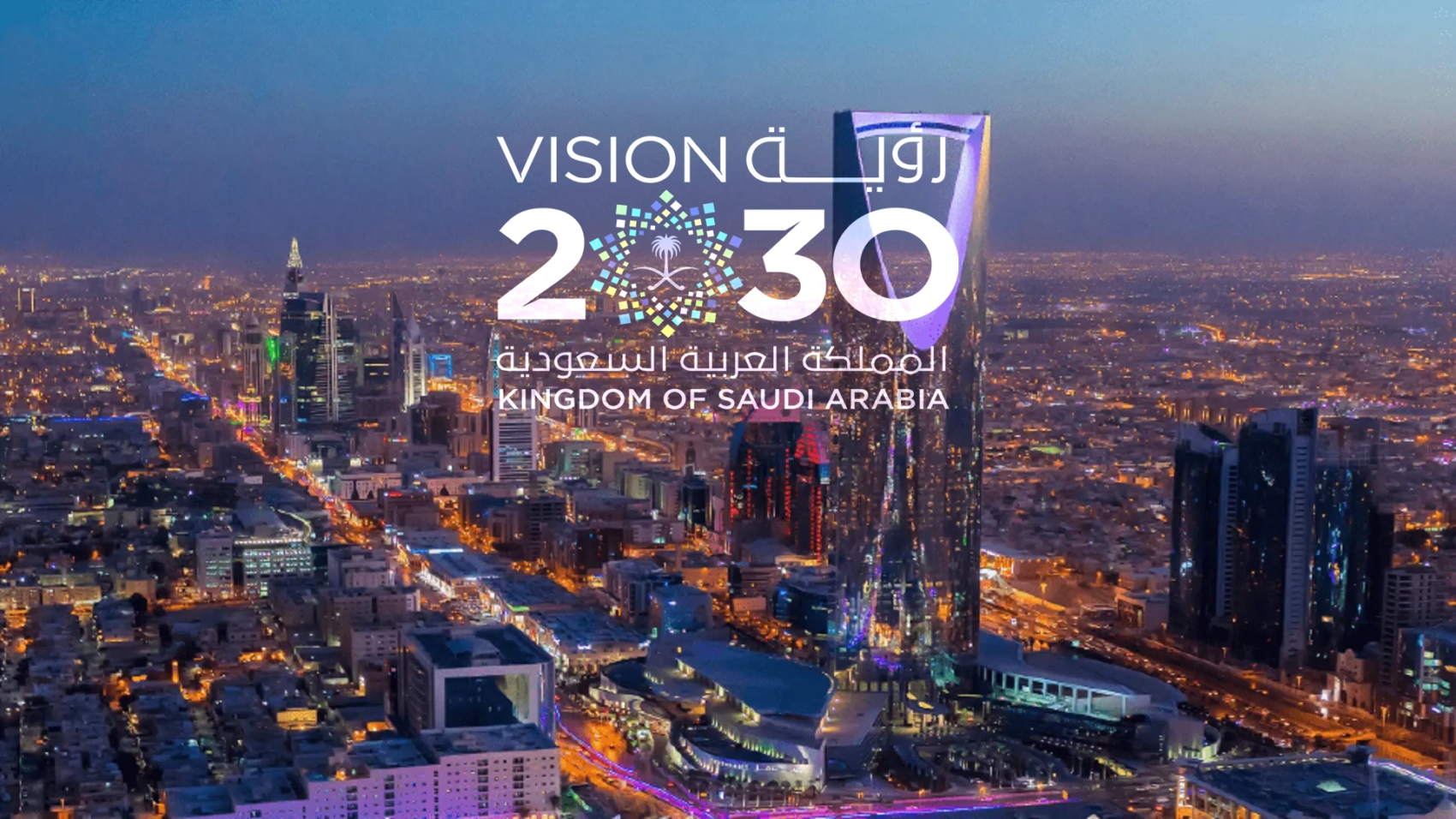
vision 2030

Saudi Arabia Vision 2030: Transforming the Kingdom for a Sustainable Future

In recent years, Saudi Arabia has embarked on an ambitious journey of transformation aimed at diversifying its economy, empowering its citizens, and unlocking its full potential for growth and prosperity. At the heart of this transformative agenda lies “Saudi Vision 2030,” a comprehensive blueprint unveiled by Crown Prince Mohammed bin Salman in 2016. This visionary roadmap outlines a bold set of reforms and initiatives designed to propel the Kingdom into a new era of sustainable development and global leadership.

Economic Diversification and Growth:

Central to Vision 2030 is the goal of reducing Saudi Arabia’s dependence on oil revenue and fostering a diversified, knowledge-based economy. The plan aims to stimulate growth in non-oil sectors such as tourism, entertainment, manufacturing, and technology, unleashing the entrepreneurial spirit and innovation potential of the Saudi youth. By attracting foreign investment, nurturing small and medium-sized enterprises (SMEs), and fostering a culture of entrepreneurship, Vision 2030 seeks to create job opportunities, drive economic growth, and ensure long-term prosperity for all Saudis.

Empowering Saudi Youth and Women:

A key pillar of Vision 2030 is the empowerment of Saudi youth and women, recognizing them as vital agents of change and progress. Through education reform, skills development programs, and job creation initiatives, the plan aims to unlock the full potential of the Kingdom’s young population, equipping them with the knowledge, skills, and opportunities needed to thrive in the 21st-century economy. Additionally, Vision 2030 seeks to enhance the participation of women in the workforce and society, promoting gender equality and unlocking untapped talent and productivity.

Social Development and Quality of Life:

Vision 2030 prioritizes the enhancement of social services and the improvement of quality of life for all Saudis. Investments in healthcare, education, housing, and infrastructure are aimed at providing citizens with access to high-quality services and amenities, fostering social cohesion, and enhancing overall well-being. Moreover, the plan seeks to promote cultural and recreational activities, preserve Saudi heritage and identity, and create vibrant, livable communities that enrich the lives of residents and visitors alike.

Environmental Sustainability and Conservation:

Recognizing the importance of environmental sustainability and conservation, Vision 2030 includes ambitious goals to protect the Kingdom’s natural resources and reduce its carbon footprint. Initiatives such as the National Renewable Energy Program, the Saudi Green Initiative, and the Green Saudi and Green Middle East initiatives aim to promote renewable energy sources, enhance energy efficiency, and combat climate change. By investing in clean energy, conservation projects, and sustainable practices, Saudi Arabia is committed to preserving its natural heritage for future generations while contributing to global efforts to address climate change.

Global Leadership and Partnership:

As a leading player on the regional and global stage, Saudi Arabia is committed to promoting peace, stability, and cooperation. Vision 2030 emphasizes the importance of forging strategic partnerships, fostering cultural exchange, and promoting international collaboration in areas such as trade, investment, and innovation. By leveraging its geopolitical position, economic resources, and cultural heritage, Saudi Arabia seeks to become a hub for innovation, entrepreneurship, and knowledge exchange, driving progress and prosperity at home and abroad.

In conclusion, Saudi Vision 2030 represents a bold and transformative vision for the Kingdom, charting a course towards a more prosperous, inclusive, and sustainable future. With its emphasis on economic diversification, social empowerment, environmental stewardship, and global engagement, Vision 2030 embodies Saudi Arabia’s commitment to unlocking its full potential and shaping a brighter tomorrow for generations to come. As the Kingdom continues to implement its ambitious reforms and initiatives, the world watches with anticipation, eager to witness the realization of this historic vision.

riyadh_metro_highres-copyinverted_

Maximizing Efficiency and Comfort: The Advantages of Building Management Systems

In today’s fast-paced world, efficiency, sustainability, and comfort are not just luxuries but essential components of any successful building. Whether it’s a commercial office space, a residential complex, or an industrial facility, the need to optimize operations while ensuring a comfortable environment for occupants is paramount. This is where Building Management Systems (BMS) come into play, offering a myriad of benefits that go beyond mere convenience. Let’s delve into the advantages of integrating BMS into your building infrastructure.

1. Enhanced Energy Efficiency: One of the most significant benefits of BMS is its ability to optimize energy usage. By monitoring and controlling various systems such as lighting, HVAC (Heating, Ventilation, and Air Conditioning), and electrical appliances, BMS ensures that energy is used efficiently, reducing waste and lowering utility costs. With advanced analytics and automation, BMS can adjust settings based on occupancy patterns, weather conditions, and other factors, maximizing energy savings without compromising comfort.

2. Improved Comfort and Occupant Satisfaction: A comfortable environment is crucial for productivity, well-being, and overall satisfaction of building occupants. BMS plays a key role in maintaining optimal indoor conditions by regulating temperature, humidity, and air quality levels. Whether it’s adjusting room temperatures based on occupancy or ensuring adequate ventilation, BMS creates a conducive atmosphere that enhances comfort and promotes occupant satisfaction.

3. Proactive Maintenance and Fault Detection: Preventive maintenance is essential for avoiding costly repairs and minimizing downtime. BMS enables proactive maintenance by continuously monitoring building systems and detecting potential issues before they escalate into major problems. Whether it’s detecting HVAC inefficiencies, identifying water leaks, or monitoring equipment performance, BMS provides real-time insights that allow facility managers to take timely corrective actions, ensuring smooth operations and prolonging the lifespan of assets.

4. Centralized Control and Remote Access: With BMS, facility managers have centralized control over all building systems from a single interface, streamlining management and simplifying operations. Whether it’s adjusting setpoints, scheduling equipment runtime, or accessing real-time data analytics, BMS offers unprecedented visibility and control over building operations. Moreover, BMS can be accessed remotely via web-based platforms or mobile applications, allowing facility managers to monitor and manage building systems from anywhere, anytime, enhancing flexibility and responsiveness.

5. Integration and Scalability: BMS is highly adaptable and can be integrated with other building systems such as fire alarms, security systems, and access controls, creating a seamless and interconnected infrastructure. This integration not only enhances overall functionality but also improves operational efficiency and security. Furthermore, BMS is scalable, allowing buildings to expand or upgrade their systems as needed without significant disruption or investment in new infrastructure.

6. Compliance and Sustainability: In an increasingly regulated environment, compliance with building codes and sustainability standards is essential. BMS helps buildings meet regulatory requirements and achieve sustainability goals by monitoring energy usage, tracking environmental performance, and generating reports for compliance purposes. By optimizing resource utilization and reducing environmental impact, BMS contributes to a greener and more sustainable built environment.

In conclusion, Building Management Systems offer a multitude of benefits that go beyond just managing building operations. From enhancing energy efficiency and occupant comfort to enabling proactive maintenance and promoting sustainability, BMS is a cornerstone of modern building infrastructure. By investing in BMS, building owners and facility managers can unlock substantial cost savings, improve operational efficiency, and create healthier, more comfortable environments for occupants, ultimately driving long-term value and success.